Nuwarra
  • Home
  • Early Stage 1
    • Library Routines ES1
    • Caring for Books ES1
    • Fairy Tales ES1
    • Nursery Rhymes ES1
    • Parts of the computer
    • Mouse Practice
    • Keyboarding
    • Fun Learning
    • Sight Words
  • Stage 1
    • Library Routines Odd year
    • Library Routines Even year
    • Typing Stage 1
    • Odd Years Stage 1
    • Even Years Stage 1
  • Stage 2 2025
    • Library Expectations S2
    • Typing Stage 2
    • Odd Years Stage 2
    • Even Years Stage 2
  • Stage 3 2025
    • Typing Stage 3
    • Let's Play Jeopardy!
    • Odd Years Stage 3
    • Even Years Stage 3
  • Links
  • Bookweek All Year
    • Bookweek 2025
    • Bookweek 2024
    • Dewey
  • Past Years
    • My Community - Moorebank
    • Stage 1 2017 >
      • Community Workers 1
    • Stage 2 2017 >
      • Getting Around Our Community
      • Drawing
      • Art with Word
    • Stage 3 2017 >
      • Data Structure
      • Research for a Database
      • Make a Database
      • Presentation - Form
      • Parts of a Computer
    • Stage 1 2016 >
      • Desert Life
      • Sound Waves & Musical Instruments
      • Sound Waves
      • Buggy 4 Bugs 1
      • Buggy 4 Bugs 2
      • Buggy 4 Bugs 3
      • My Birth
      • When I was 7
      • Zoo Map
      • School Sports Day Timetable
      • The School Bus
      • Frog in the Pond
      • Funny Rhymes
    • Stage 2 2016 >
      • Problem Solving and Presention 1
      • Problem Solving and Presention 2 >
        • Kidpix Rubric -grade yourself
        • Powerpoint Rubric -grade yourself
    • Stage 3 2016
    • Stage 1 2015 >
      • Communities >
        • I Can... 1
      • Community Workers 1 >
        • I Can... 2
      • Trains 1 >
        • I Can... 4
      • Become a Keyboard Wizard
    • Stage 2 2015 >
      • Getting Around Our Community
      • Art with Word
      • Searching - a beginning >
        • Searching - Let's start!
        • Searching - Best Page???
        • Searching - a Scavenger Hunt
      • Spreadsheet Wizardry Terminology >
        • Spreadsheet Wizardry Challenge
        • Spreadsheet Wizardry Formulae
        • Spreadsheet Wizardry Making Graphs
        • Spreadsheet Wizardry Reading Graphs
    • Stage 3 2015 >
      • Research for a Database
      • Make a Database
      • Presentation - Form
      • Using a Database
      • Internet (Skill Assessment 4) >
        • Digital Life 1
        • Searching
        • Searching 2
        • Searching 3
        • Searching 4
        • Searching - Best Page???
        • Searching 5 >
          • Internet (Skill Assessment 4a)
      • Spreadsheets (Skills Assessment 5) >
        • Spreadsheets 1 Terminology
        • Spreadsheets 2 Formulae
        • Spreadsheets 3 Making Graphs
        • Spreadsheets 4 Other Uses
        • Spreadsheets 5 Investigating Graphs
    • Stage 1 2014 >
      • Copy and Paste Practice
      • Living and Non-Living Things
      • Days of the Week
      • Seasons
      • Celebrations
      • Sound Waves old
      • Sound Waves & Musical Instruments old
      • Searching
    • Stage 2 2014 >
      • Inventions Timeline
      • Building Flow Charts old
    • Stage 3 2014 >
      • Graphics & Vocab. (Skills Assessment 1) >
        • Typically Aussie???old
        • Let's Animate old
        • Skills Assessment 1a (graphics & Vocab)
      • Fact or Opinion S3 old
    • Stage 1 2013 >
      • Little Red - a fairytale >
        • Comparing Stories
        • Beginning? Middle? End?
    • Stage 2 2013 >
      • Lost >
        • Ramp and Screws
        • Knock Knock
        • Start Your Engine
        • Who is Stronger?
        • Measuring a Force
        • Can't Move Me!
        • Leave it to Levers
        • Gearing Up
        • Lost Assessment 1
        • Lost Assessment 2
      • Human Body >
        • Did you Know?
        • How to Make a Table
        • Populating the Table
        • Quick Quiz
  • Movies
  • Powerpoint 1 Rebus Nursery Rhymes
  • Cyber Safety S1
  • Digital Citizenship S2
  • Digital Citizenship S3
  • Digital Citizenship S1
  • Digital Citizenship text
  • Logic Puzzles
  • Logic Puzzles 3-6
  • ICT in Everyday Life
  • Fact and Opinion S3
    • Fact or Opinion - Advertising
  • PowerPoint Animation
  • Halloween Spreadsheet
Picture

Australian Deserts and their Life
Picture
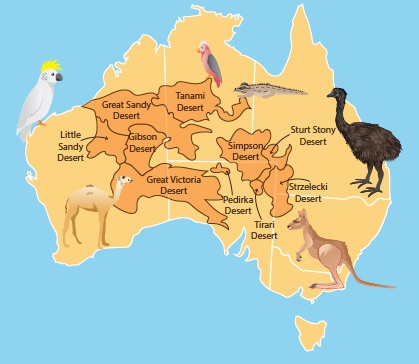
Major Deserts in Australia
What is a Desert?
Deserts are areas with very low rainfall.
All deserts are dry because of their
  • low rainfall
  • high water loss from evaporation (Evaporation is the sun turning water into mist and floating into the air.)
  • high water loss when the water runs away and seeps deep into the soil. ​
Deserts can be hot in the daytime and cold at night, like the Great Sandy Desert.
Deserts can be cold all the time, like Antarctica.
To live in a desert plants and animals
 have had to develop different ways of capturing water in order to survive in the dry climate.  This is called adaptation.

  • Title
  • Desert Bloodwood Tree
  • Corkwood Tree
  • Wild Passionfruit
  • Spinifex ​
  • Bush Banana
<
>
Picture
Picture
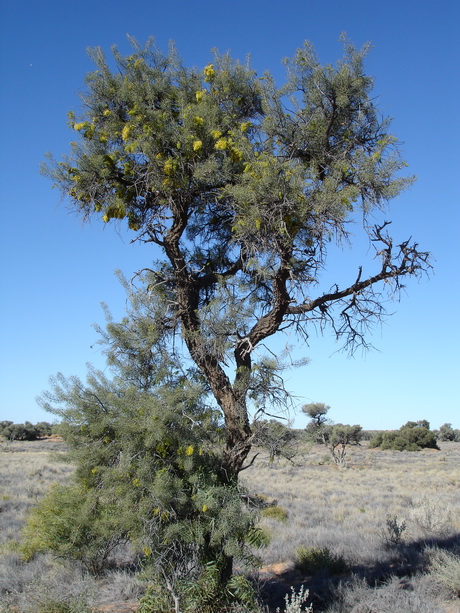
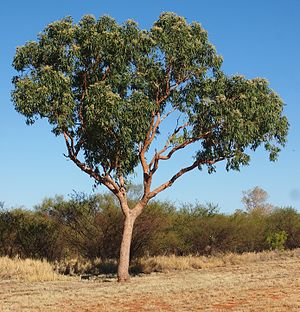
The Desert Bloodwood Tree
Picture
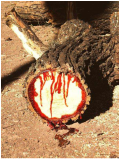
Aborigines use the red sap to tan kangaroo skin water bags.
The tree grows to 15m with brown flaky, tessellated (like tiles) bark.
It has white flowers in autumn and winter. It's fruit is a large, urn shaped gumnut.
​

Bloodwood trees produce a red sap which was used by Aboriginal people as a medicine for sore eyes, wounds, burns and sores.
​It was also used as a tanning agent for kangaroo skin waterbags.
​
Wooden bowls are made from the bark of this tree. 
​
Glider possums and many  insects eat the red sap.
Picture
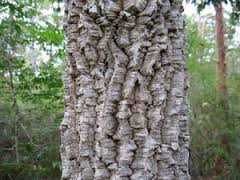
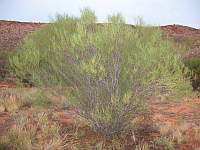
The Corkwood Tree
Picture
The thick bark protects the trunk of the tree from fire.
This tree is slow-growing and reaches a height of 6m. It has thick, corky bark and needle like leaves.
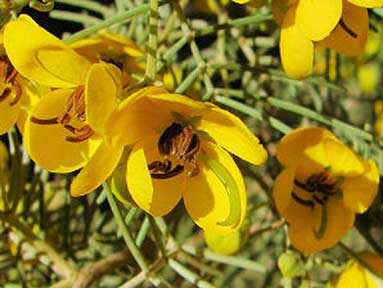
The flowers are greenish yellow and appear in spring, usually after rain. 

Some groups of Aboriginal people extracted honey from the flowers or steeped them in water to make a sweet drink.
These trees are fire tolerant and often regenerating after a fire event. 
Picture
Wild Passionfruit flowers
Picture
Green passionfruit is not ripe.
Picture
Yellow split passionfruit with ants is ripe.
Wild Passionfruit is also known as the caper bush. 
It fruits from the beginning of summer until the first frosts of winter. The fruits are delicious.
The large white flowers have a delicate scent and attract the white caper butterflies. Their caterpillars can quickly eat and strip all the leaves from the bush. The bush does usually recover quickly.

When the fruit ripens, the skin turns from green to orange and splits open. The yellow pulp is tastes similar to other passionfruit. The black seeds can be very bitter. The seeds are hot and spicy when crushed.

You will often see black ants all over the bush, especially when the fruit is ripening. (Just shake or blow the ants off and eat the pulp.) Another insect that are often seen around the caper bush is the Caper White Butterfly.
Picture
Caper White Butterfly
Picture
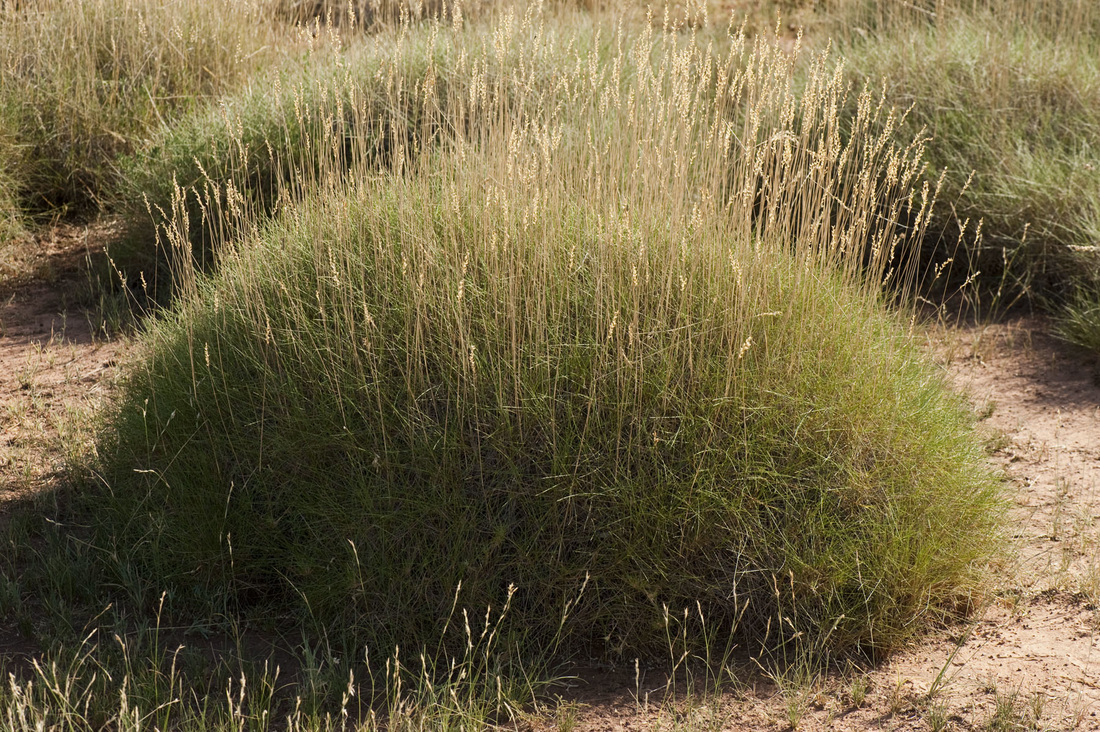
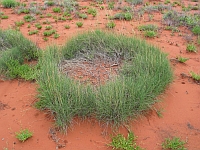
Spinifex is a tough, spiky grass that covers much of the red sand desert and rocky ranges of Central Australia.
Picture
Roots develop from each green shoot which means that each shoot has its own personal water supply.
Spinifex is a tussock grass that is found throughout much of Outback Australia. 

​It usually grows to 1.5m in height and spreads 2m across. Its stiff, bluish-green foliage has sharply pointed tips and can reach 25cm in length. (It hurts to walk into spinifex.) 
The plant was usually avoided by Aboriginal people. 


Lots of animals find shelter from the heat of the day and seek protection from predators by hiding in the base of the plant. 
Picture
Bush Banana
Picture
The Bush Banana is a  climbing plant which grows on trees and shrubs. 
This is an important bush food plant for Aboriginal people and most parts (flowers, leaves, fruit and roots) are eaten.

The creamy flowers have a sweet flavour and are eaten raw.

The leaves are eaten raw when young or steamed if older.

The young fruit are eaten straight from the vine and are highly desirable. The older fruit can still be eaten but are cooked first.

Mature fruit split open revealing white fluffy seeds which are easily dispersed by the wind.

  • Title
  • Bandy-Bandy & ​Barking Spiders
  • Barn Owls and Bilbies
  • Budgerigars & Camels
  • Dingo & Emu
  • Mala & Princess Parrot
  • Red Kangaroo & Red-capped Robbins
  • Gecko & Mole
  • Frogs & Spinifex Hopping-Mice 
  • Thorny Devils
<
>
Picture
Picture
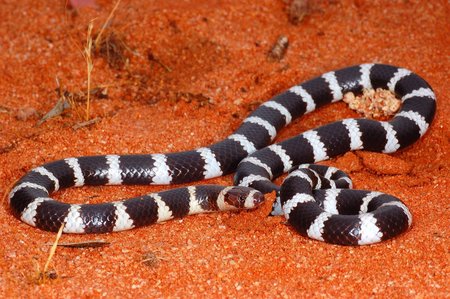
Bandy-Bandy
The Bandy-Bandy is a black and white banded snake.
The alternating colour plays tricks on the eyes of potential predators, making it difficult to see which direction the snake is going, and which is the head or tail end. This confusing trick is called 'flicker fusion'.
​

Bandy-Bandys grow up to 60cm long.
Picture
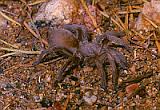
Barking Spiders
Deserts are prone to flash flooding and Barking Spiders live in burrows with leaky roofs. The hairs on their body trap air bubbles during flash floods and the air pockets prevent them from drowning.
​

Females may reach a body length of 6cm with a leg span of 16cm and powerful 1cm long fangs.​

Picture
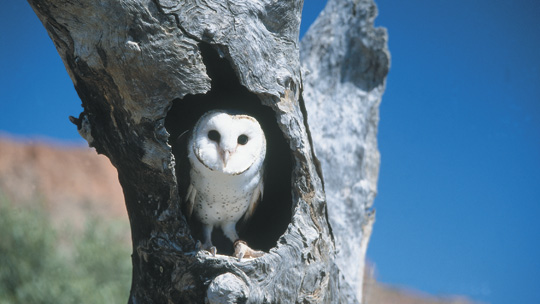
Barn Owls 
Owl eyes are so big that there's no room in the skull for muscles to move them. They make up for this by having a head that will turn 180 degrees. They can move their head in almost any direction without moving their body.

Adult Barn Owls grow to between 30 to 40cm.
Picture
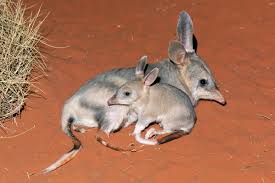
Bilbies 
The Bilby is a nocturnal marsupial that has long, silky blue-grey fur, ears like a rabbit and a bushy black tail with a white tip.
Bilbies have back legs that look like kangaroo legs, but bilbies don’t hop. They gallop like a horse when they need some speed.

Bilbies live in the desert country northwest of Alice Springs. There is also Bilbies near Boulia in Queensland.​

Picture
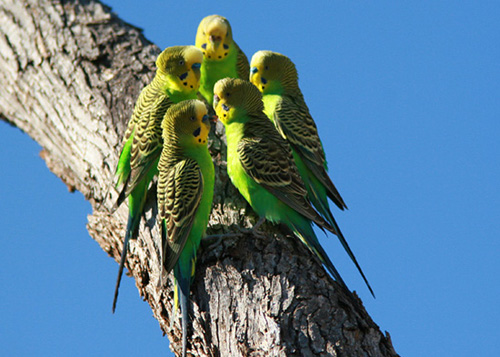
Budgerigars are small bright green parrots in the wild. You usually hear them before you see them. A group of budgerigars is called a chatter or flock.
They grow between 17 to 20cm, but their is wingspan 25cm.


Picture
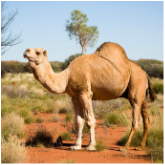
Camels are mammals with long legs, a big-lipped snout and a humped back. They were brought to Australia by early explorers to help with the exploration and settlement of central and western Australia. 
Camels can reach a length of 2.25 to 3.45 meters and a shoulder height of 1.80 to 2.30 meters. 

Camels
16 Interesting Camel Facts for Kids
Picture
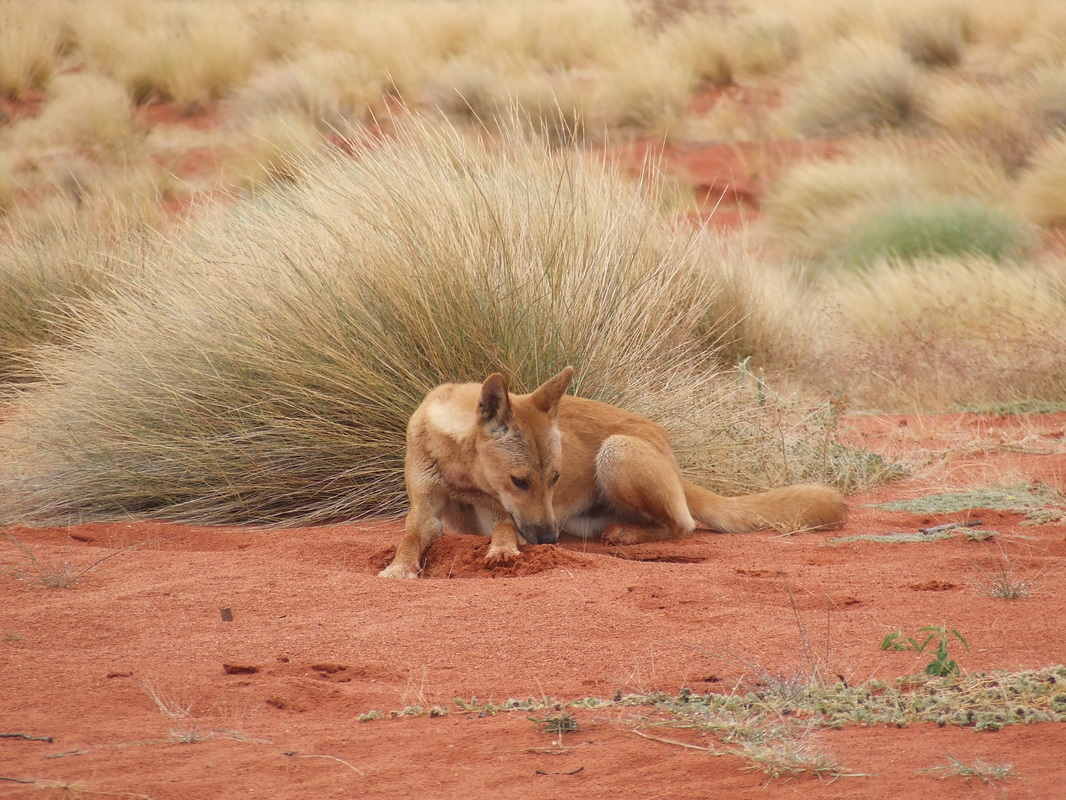
Dingoes
Dingoes don’t bark, they howl. I
t has a bushy tail and pointed ears. 
The dingo is a primitive dog that evolved from the Plains Wolf of India. Aboriginal peoples kept dingoes in their camps and the dogs hunted with the men.

Dingoes are about 50 centimetres tall and about 120 centimetres long.  
Picture
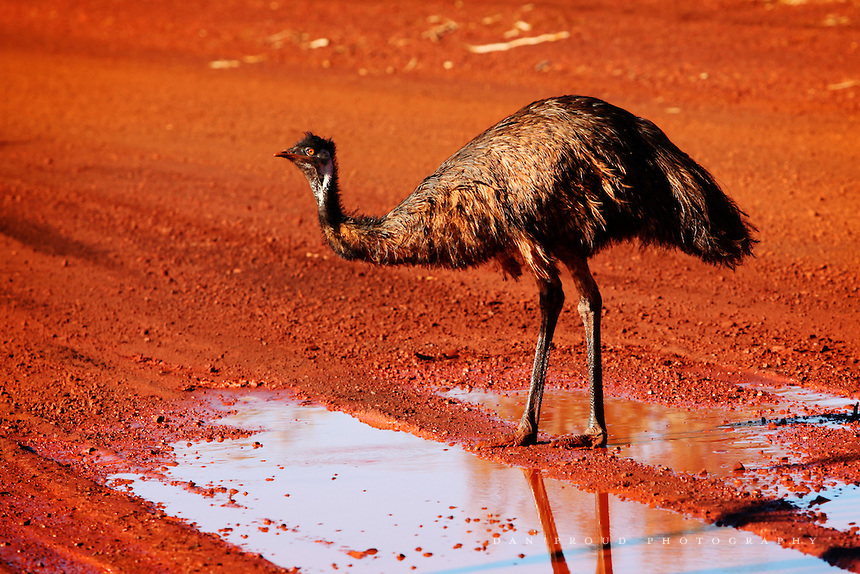
Emus 
Emus are flightless but very fast runners - up to 48 kilometres per hour. Emus have three toes.
Emus have no teeth to grind up food so they swallow pebbles into the gizzard and the pebbles grind up the food like a mill.

Emus can stand up to 1.9m - females are slightly larger. 


Picture
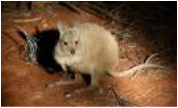
Mala 
The Mala is a small hare-wallaby with reddish-orange fur, relatively small forearms and large ears. Adults grow to about 35 cm in height.
The Mala is of a very high cultural significance to Anangu, Walpiri and Pintupi peoples. They are an important part of the Tjukurpa (the ancestral period of when the world and cultural laws were being formed.)
Picture
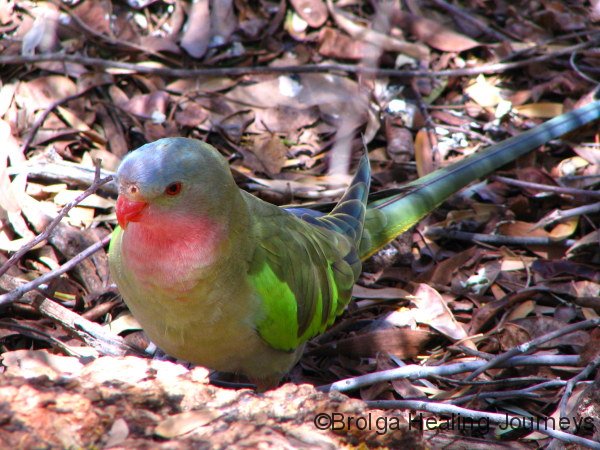
Princess Parrots
Their feather is a mostly green with a pink throat, bluish crown and rump, and bright green shoulders and they have a very long tail.
They are highly nomadic - they follow good rains through the desert.

The princess parrot grows to, 34 to 46 cm long 
Picture
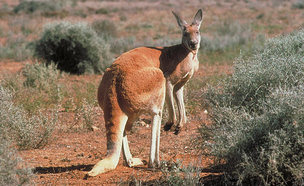
Red Kangaroos
The Red Kangaroo is Australia’s largest kangaroo. Red Kangaroos prefer to stay in small groups.
​
Males are a reddish-brown colour and females more blue-grey.They have black and white patches on their cheeks and the broad white stripe from the corner of the mouth to ear.

Red Kangaroos have a body length of up to 1.4m and tail up to 1m.
Picture
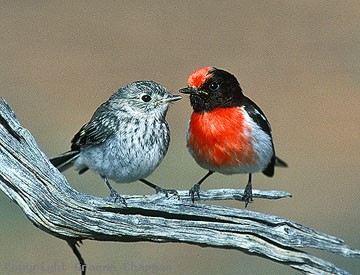
Red-capped Robins
Male red-capped robins are easy to spot with their bright red cap and red chest. Females are not as brightly coloured.

Robbins usually breed after rain in desert Australia. 

They grow 11 to 12 cm long.
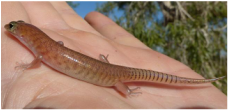
Picture
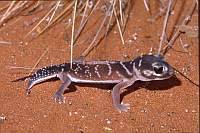
The Smooth Knob-tailed Gecko 
They have huge dark eyes, loose skin and a broad paddle shaped tail.

Another name for this family of geckos is barking gecko because they bark loudly when threatened.
​
They grow to about 8-10cm.
Picture
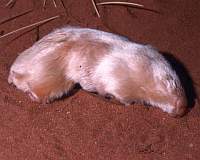
The Southern Marsupial Mole
is not a mole, it is a small, unusual, pale golden marsupial with no visible eyes or ears.
​

The mysterious southern marsupial mole is one of the many Tjukurpa animals associated with the creation of Uluru. Western desert people call it Itjaritjari.

Southern marsupial moles range from 12 to 15cm in length.
Picture
Picture
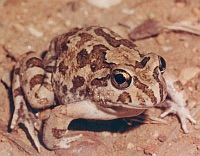
Spencer's Burrowing Frogs lives in the sandy riverbeds of central Australia.
There are quite a lot of frogs which are skilled drought dodgers and happily survive in the Australian deserts. They are generally small but absorb quite a lot of water and store it between their muscles and their skin.

Frogs don’t drink. They absorb water directly through their skin.

They grow to 30 to 45mm long. That's tiny!
Picture
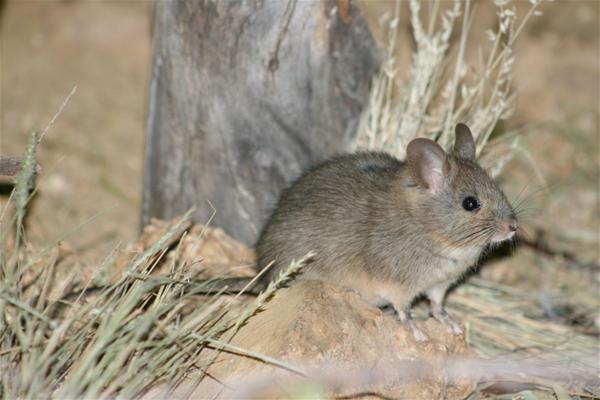
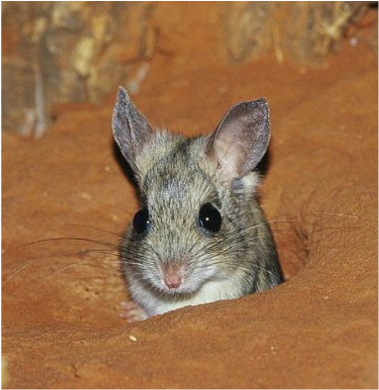
Spinifex Hopping-Mice are nocturnal and stay hidden during the heat of the day. They have large eyes and ears, big back feet, long tails. They move by hopping.

​During dry times, Spinifex Hopping-mice can survive without drinking.

​
They grow to 7 to 8cm long.​
Picture
Picture
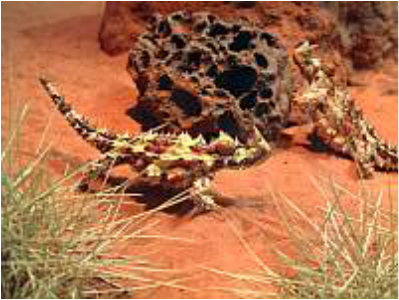
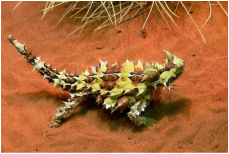
Thorny Devils
​The Thorny Devil
is a small species of lizard  native to Australia.  There is no other  lizard like it anywhere in the world. 

As scary as it looks, the thorny devil is actually a slow-moving lizard that mainly eats ants. 
It can eat about 750 ants per day, but it’s capable of eating as many as 3,000 ants in one day.

Thorny devils have a strange gait where they freeze and rock in jerky movements. They may freeze midstep to throw off predators.

Thorny devils grow up to 15cm long.
What to do!     (Year 1 and 2)
  1. Read all the instructions before you start. 
  2. Open KidPix.
  3. Go to backgrounds and click.   
  4. Choose 'Line drawing backgrounds and special projects' - it is the middle icon.
  5. Use the down arrow and select 'Desert life'.
  6. There are 5 backgrounds - the first is the title.
  7. Add your name to the title slide, a desert animal and colour.
  8. Save it in your class folder. Call it "your name title".
  9. On the next 4 backgrounds - 
  • Draw a plant or animal that you have seen on this page.
  • Write a sentence about that plant or animal.
  • Colour your desert. 
  • Save it in your class folder. Call it "your name 1", then the next one "your name 2".......
Time permitting, put the 5 slides into a slide show.


What to do!   (Years 3 and 4)
  1. ​Download 'Desertlifenotes_s1' and print.
  2. Choose an animal from the Desert Animal Life pictures.
  3. Write the name of the animal on the worksheet.
  4. Find your information by clicking on the picture and the hyperlinked words (blue).
  5. Record your answers on the worksheet.
desertlifenotes_s1.pdf
File Size: 1553 kb
File Type: pdf
Download File

Desert Photographs

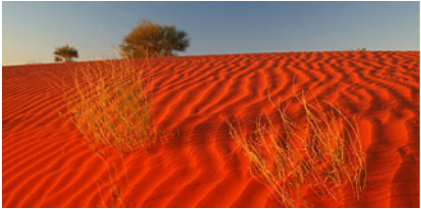
Picture
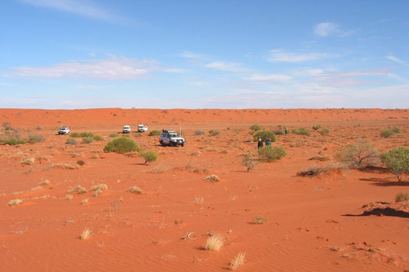
Simpson Desert Australia
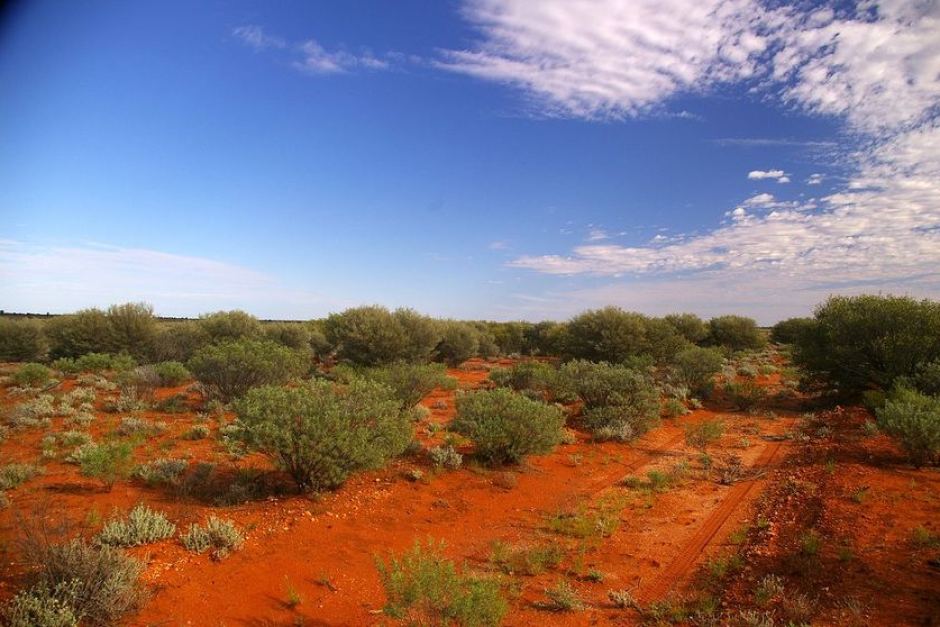
Picture
Gunbarrel Highway, Western Australia
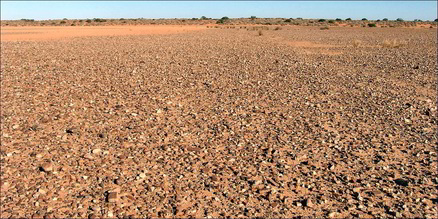
Picture
Oodnadatta Track, Gibber Plains (Part of The Painted Desert)
Picture
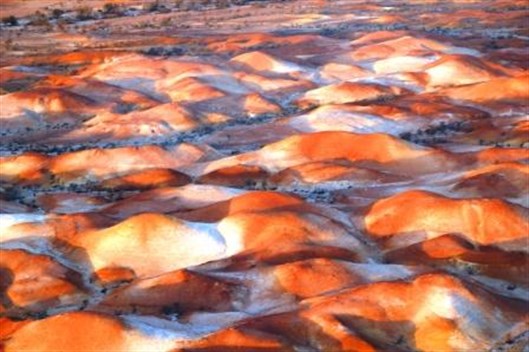
Anna Creek Painted Hills, South Australia
Picture
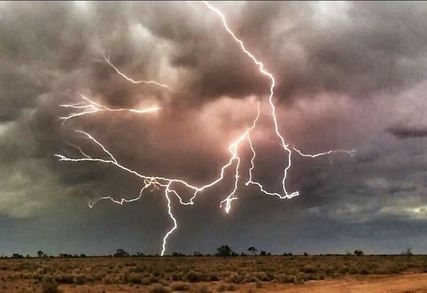
Dry lightning storm in the outback.
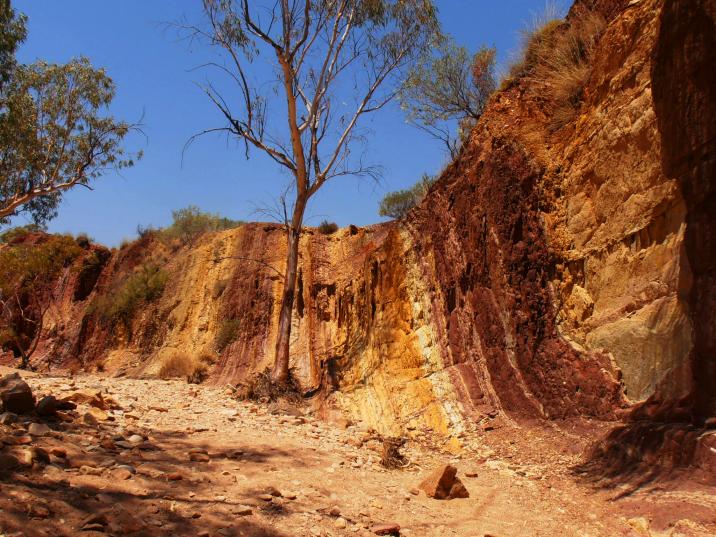
Picture
Ormiston Gorge, Ochre Pits, Northern Territory
Picture
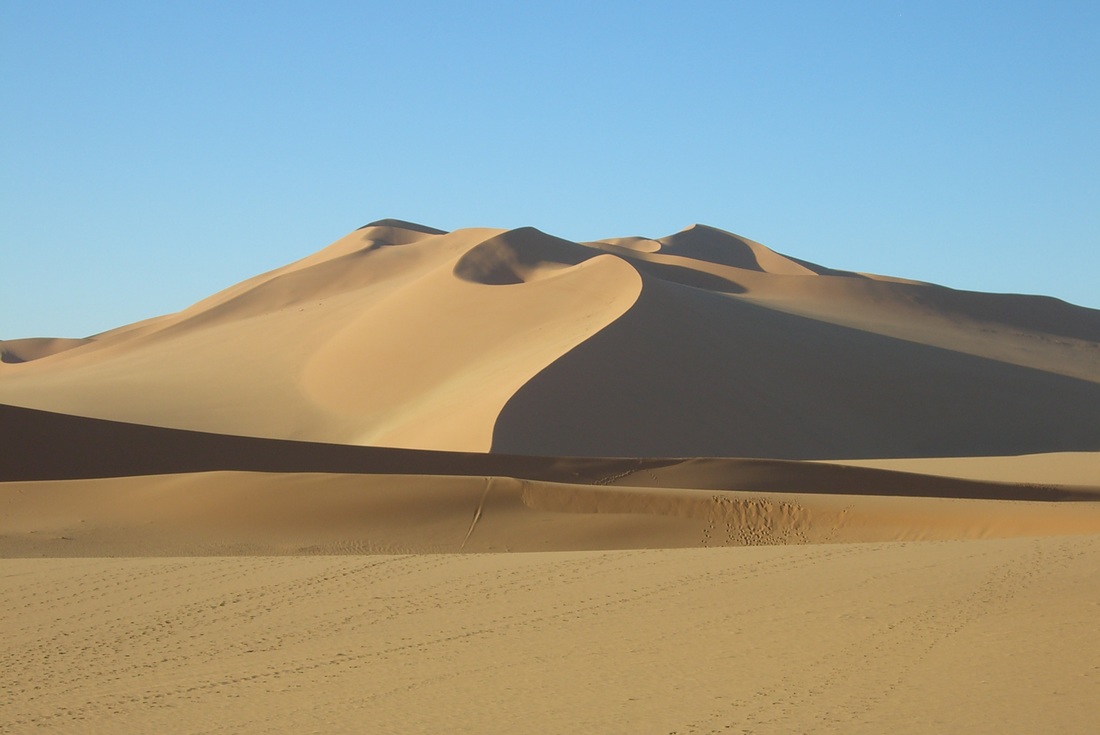
Khali Desert or Rubʿ al-Khali, ( Arabic: “Empty Quarter”), Saudi Arabia
Picture
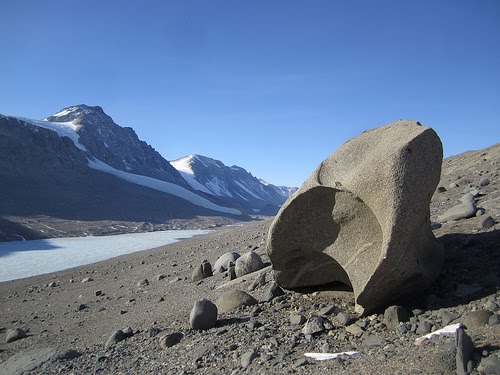
Ventifacts, stones blown into bizarre shapes by the wind carrying sand and ice particles. Dry Valleys serve as the testing ground for NASA. Antarctica
Picture
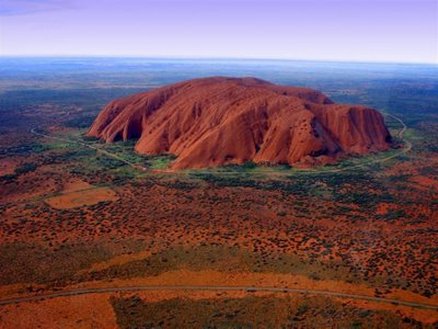
Uluru, Northern Territory, Australia
Picture
Uluru, Northern Territory, Australia
Picture
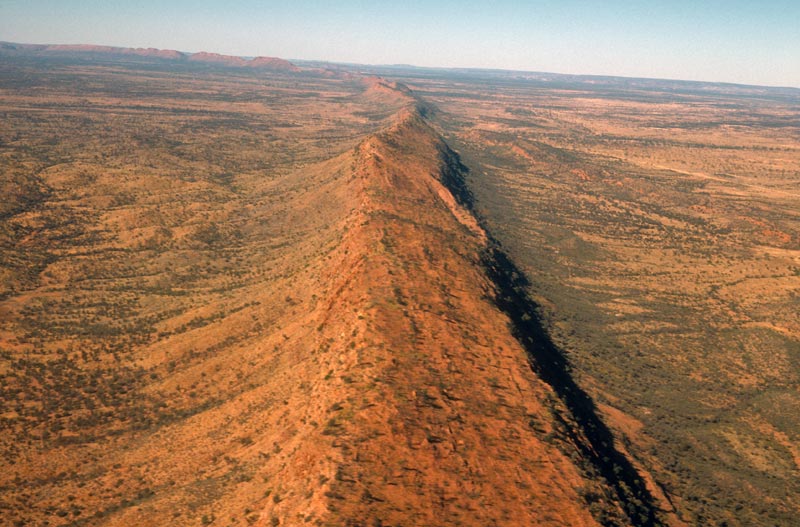
MacDonnell Ranges, Northern Territory
Picture
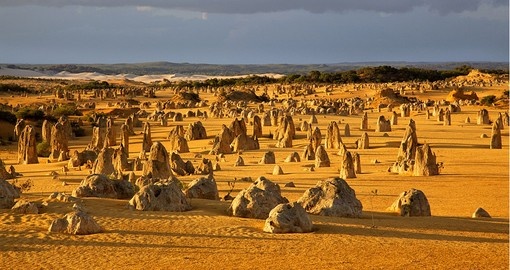
The Pinnacles, Nambung National Park, Western Australia
Picture
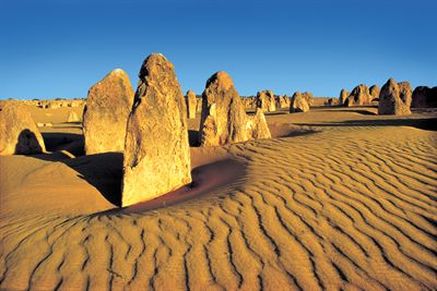
The Pinnacles, Nambung National Park, Western Australia
Picture
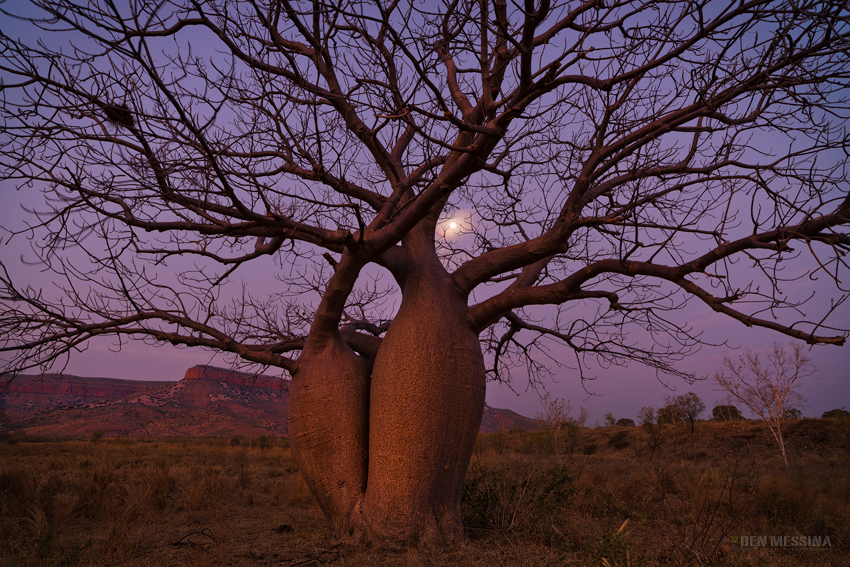
Boab tree, Western Australia Kimberley region.
Picture
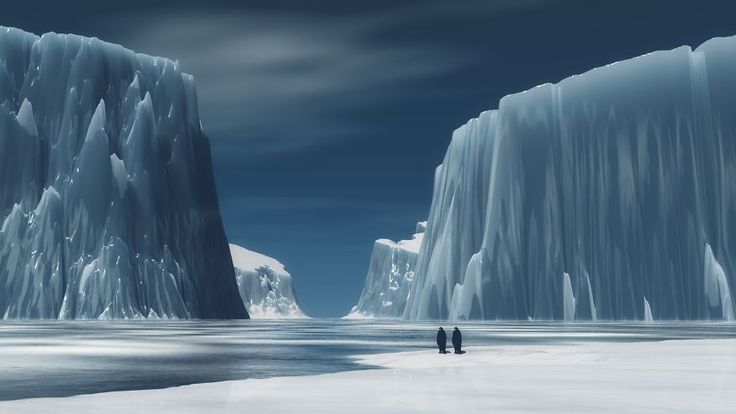
The icy, fiercely cold Antarctica is the largest desert in the world.
Picture
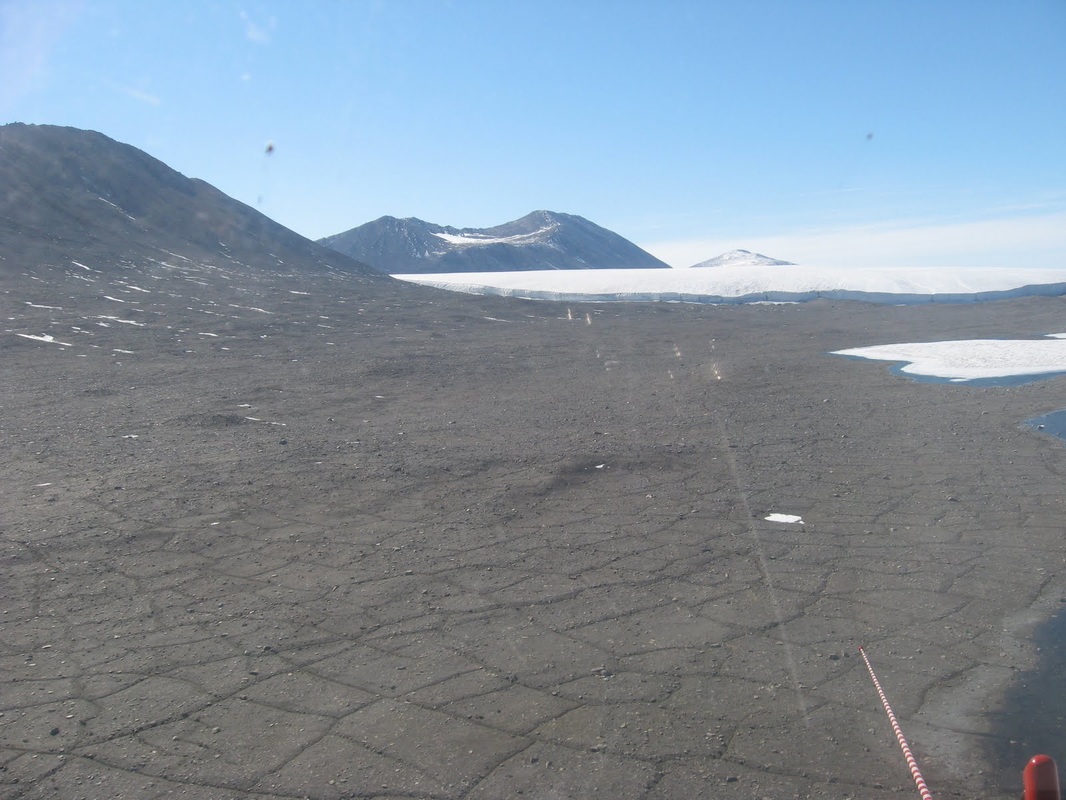
Cryogenic cracks are not unique to the dry valleys of Antarctica. They're even found on Mars. Water in the soil expands when it freezes and shrinks when it thaws, which creates the crack, and the finer-grained soil falls into the crack. 
Picture
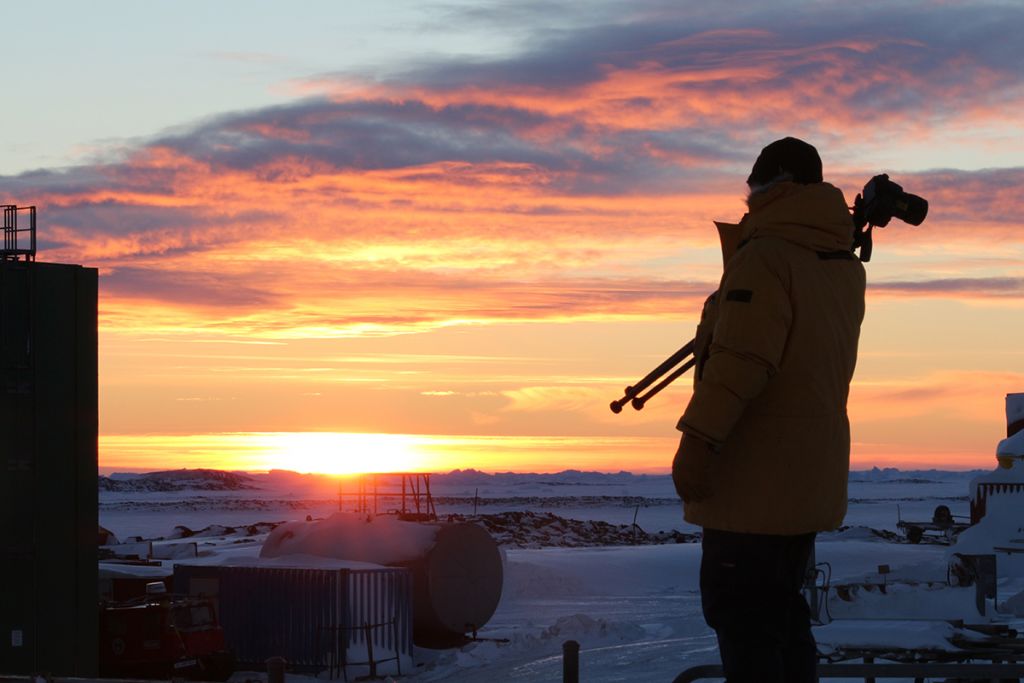
First sunrise in Antarctica after six weeks of darkness.

Powered by Create your own unique website with customizable templates.